
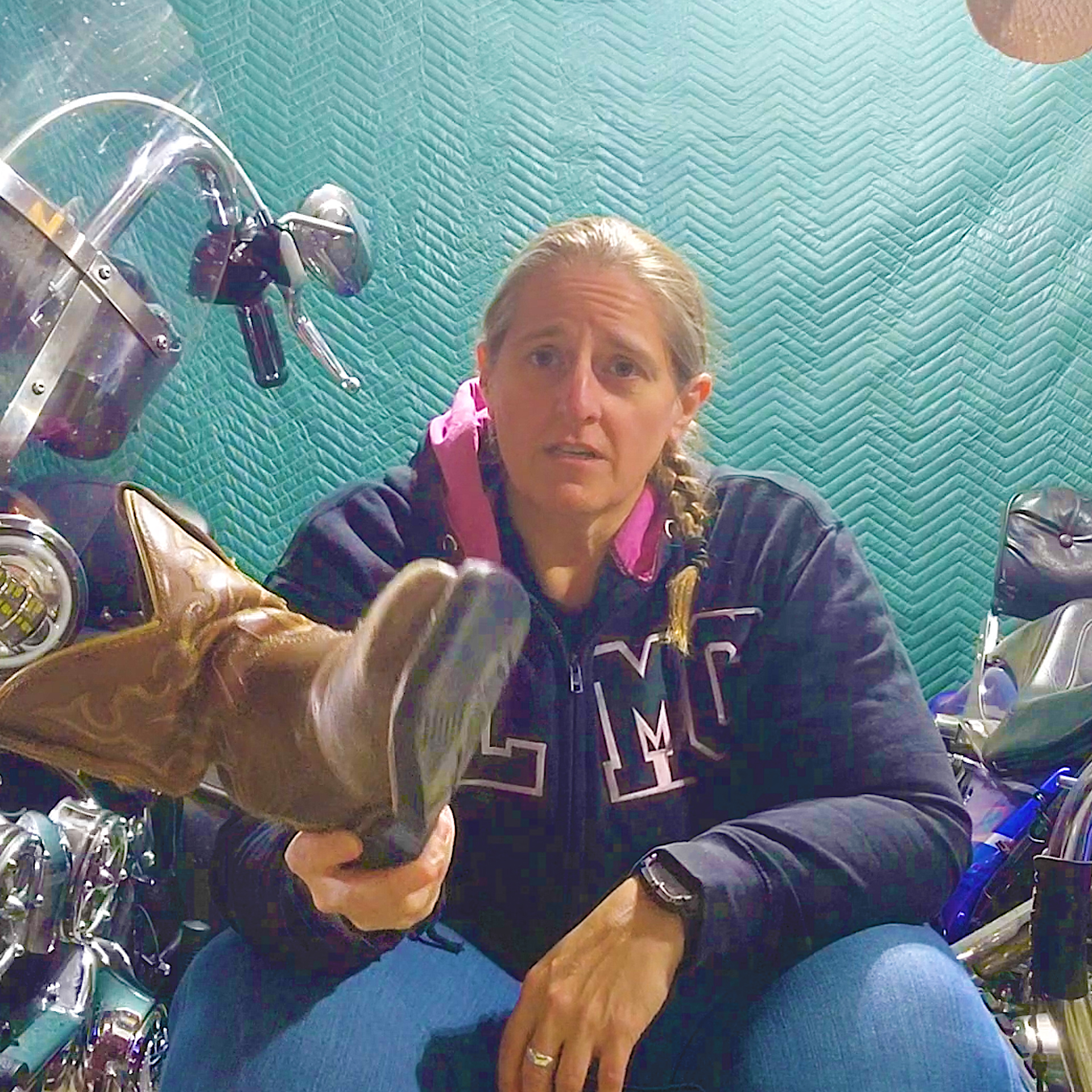
Why Proper Riding Boots Matter
Selecting the right footwear for motorcycle riding is critical for both safety and comfort. Wearing well-made boots is not just about looking the part—it’s a practical necessity that can help prevent injuries. Ankle injuries, for example, can take a long time to heal and may leave lasting weakness. Based on personal experience, I can attest to the importance of protecting your ankles and feet.
A quality pair of motorcycle boots can minimize the impact on your feet, ankles, and legs in the event of a crash. Motorcycles also generate significant heat from their engines and exhaust pipes; sturdy boots protect your legs from burns if you accidentally touch a hot surface. Additionally, motorcycle boots feature tread designed for stability, making it easier to keep your bike steady at stoplights or when parking.
Finding Boots That Fit Your Needs
While specialized motorcycle boots can be pricey, there are many affordable alternatives that offer comparable protection and comfort. It’s important to remember that no single boot is perfect for everyone—personal preferences and needs vary widely. Here are some key considerations when choosing riding boots:
Key Features to Look For
- Fit: Boots should fit properly and extend over the ankle. Some riders prefer taller boots, while others opt for shorter shafts. Avoid boots that are too large, as your foot moving within the boot during an accident can lead to broken toes. Boots that are too small can restrict circulation and cause discomfort.
- Comfort: Comfortable boots are essential, especially for long rides. You may find yourself walking around during stops, so your boots should be suitable for both riding and walking. For example, while some boots are great for riding, they may cause discomfort when walking. Look for boots that offer all-day comfort in and out of the saddle.
- Traction: Good traction helps keep your footing secure at stops and when maneuvering your bike. Hiking boot-style treads are a popular choice, but there are many tread types available. A small heel can provide extra grip on foot pegs. Some riders use cowboy boots with traction soles, though traditional cowboy boots often lack sufficient grip.
- Lace-Up, Pull-On, or Zip-Up: Lace-up boots can be adjusted for a snug fit but take more time to put on and may allow water in through gaps. Pull-on boots are quick to wear but may be less secure in an accident. They tend to be more watertight depending on the material. Zip-up boots offer convenience, but zippers can be potential points for water entry.
- Steel Toes: Steel toe boots offer protection against impact and from the gear shifter, but they can become hot and, in some accidents, may cause injury if the steel cap is forced into your toes.
- Riding Shoes: Reinforced riding tennis shoes are also available. These offer protection in key areas and are popular among sport bike riders. They provide better airflow in hot weather and are generally more flexible and comfortable for those who don’t wear boots off the bike.
Personal Preferences and Safety Practices
I admit to having a bit of a shoe addiction, owning several pairs of riding boots for different occasions—dress boots, work boots, cowboy boots, and everyday pairs. My personal favorites are Justin Steel Toe boots: they are waterproof, have great traction, and are comfortable for long trips. I even have a cobbler replace the soles with hiking treads so I can keep them longer.
In Leather & Lace MC, safety comes first. Riders are not allowed to join group rides without proper boots. As Road Captain, I am responsible for everyone’s safety and will not permit unsafe footwear. Inadequate shoes such as tennis shoes, sandals, or flip-flops dramatically increase the risk of foot injuries in an accident.
Be Safe
Fire Dog
Leather & Lace MC